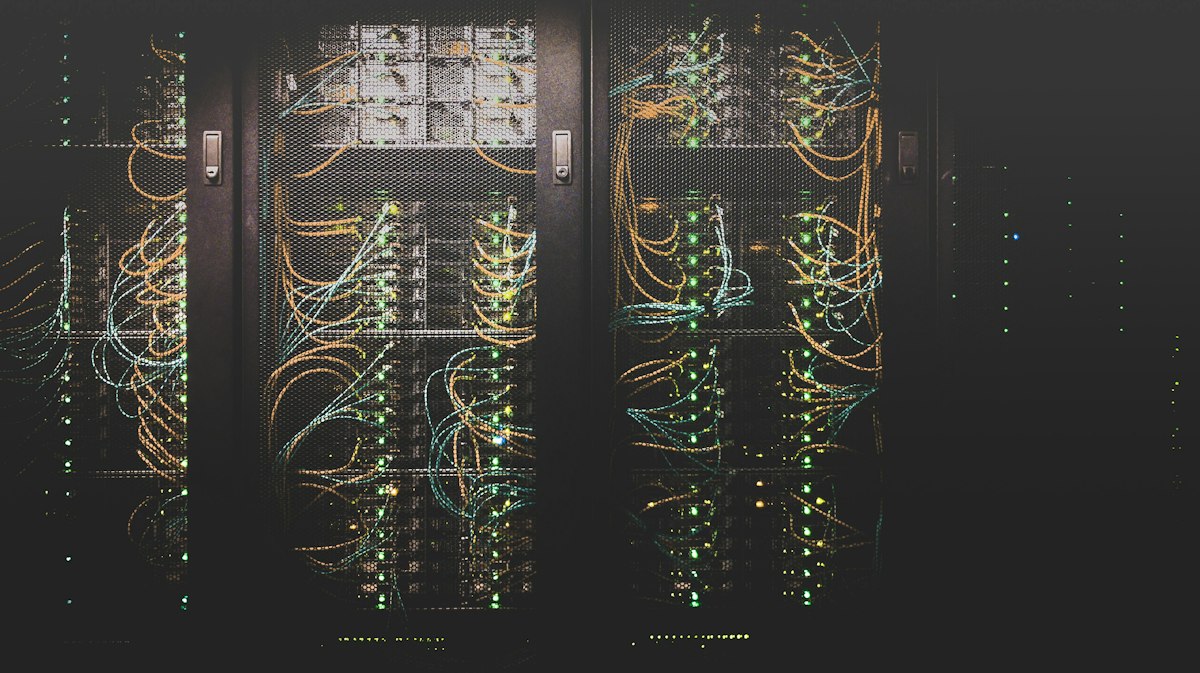

DePIN (Decentralized Physical Infrastructure Networks) is one of the fastest-growing trends in crypto during 2025–2026, presenting a revolutionary approach to building and managing physical infrastructure — such as wireless networks, data storage, and computing power — through decentralized blockchain networks. Instead of relying on tech giants like Amazon AWS or Verizon, DePIN allows everyday users worldwide to contribute to and maintain this infrastructure, earning token rewards in return. This guide covers everything from DePIN's core concepts and how it works, to leading projects and emerging opportunities.
What Is DePIN?
DePIN stands for Decentralized Physical Infrastructure Networks — networks that use blockchain technology and token economics to incentivize individuals to contribute physical resources to a shared system.
The core idea is simple: instead of a single company owning and operating infrastructure, DePIN distributes this responsibility across thousands or millions of participants, each contributing a small piece that together forms a powerful, resilient network.
For example, if you own a WiFi hotspot device, you can connect it to the Helium network and earn HNT tokens as a reward for providing internet connectivity to nearby IoT devices.
Types of DePIN
DePIN is broadly divided into several categories based on the type of infrastructure:
**1. Physical Resource Networks (PRN)** — Networks requiring location-specific physical resources, such as wireless networks (Helium, XNET), weather data collection (WeatherXM), and distributed mapping cameras (Hivemapper).
**2. Digital Resource Networks (DRN)** — Networks where resources are fungible regardless of location, such as decentralized storage (Filecoin, Arweave), GPU computing (Render Network, io.net, Akash), and VPN/Bandwidth sharing (Orchid, Sentinel).
**3. Energy DePIN** — Decentralized energy networks leveraging distributed solar, wind, or grid assets (Energy Web, PowerLedger).
Each category has unique token mechanisms and participation methods tailored to its specific use case.
How DePIN Works
The DePIN mechanism consists of four core components:
**1. Hardware Contributors** — Users who connect physical hardware devices (WiFi hotspots, hard drives, GPUs) to the network — either purpose-built equipment or repurposed existing devices.
**2. Blockchain & Smart Contracts** — Records service delivery, verifies quality, and manages token payments transparently without intermediaries.
**3. Token Incentives** — Service providers earn tokens as rewards proportional to the quality and quantity of services delivered. Better and more service equals higher rewards.
**4. Service Consumers** — Businesses or individuals who pay tokens to use the infrastructure — for example, paying FIL to store data on Filecoin.
Leading DePIN Projects
**Helium (HNT/MOBILE)** — The world's largest decentralized wireless network, with over 900,000 hotspots in 180+ countries, providing IoT connectivity and 5G services via the Solana blockchain.
**Filecoin (FIL)** — A decentralized storage marketplace where providers rent out unused hard drive space and earn FIL rewards. Currently hosts over 19+ exabytes of storage capacity.
**Render Network (RNDR)** — A decentralized GPU rendering network connecting 3D artists and film studios with GPU owners worldwide, at significantly lower costs than AWS.
**io.net** — A decentralized GPU computing network for AI/ML workloads, aggregating idle GPUs from data centers and miners globally to offer cloud computing at up to 90% lower cost than traditional providers.
**Hivemapper (HONEY)** — A decentralized mapping network where drivers with dashcam devices earn HONEY tokens while capturing street-level map data during their regular drives.
Why DePIN Matters in 2026
DePIN solves real problems the tech world is currently facing:
**Centralization Problem** — Companies like Google, Amazon, and Microsoft control most of the world's cloud infrastructure. DePIN creates alternatives with no single point of failure.
**AI Compute Demand** — The AI boom has dramatically increased demand for GPU computing. DePIN networks like io.net and Render address this at lower prices.
**5G Rollout** — Global 5G expansion requires massive infrastructure. DePIN networks like Helium MOBILE help extend coverage without building entirely new tower networks.
**Data Sovereignty** — Users want greater control over their own data. DePIN provides alternatives to storing and using data without going through large corporations.
By 2026, the DePIN sector boasts a combined market cap exceeding $40 billion and is attracting investment from leading VCs including a16z, Multicoin Capital, and Sequoia.
How to Participate in DePIN and Key Risks
**Ways to Participate:**
• Hardware Provider: Purchase project-specified equipment (e.g., Helium Hotspot ~$300–500) and set it up at home or at a business.
• GPU Mining: If you own high-end GPUs, join networks like Render Network or io.net.
• Token Investment: Buy DePIN project tokens on exchanges for price speculation.
• Running Nodes: Some projects allow validator node operation instead of requiring physical hardware.
**Key Risks to Watch:**
• Hardware Risk: Equipment may become obsolete or lose value, making ROI unfavorable.
• Token Volatility: Rewards are paid in highly volatile tokens.
• Competition: New projects can quickly displace older ones.
• Regulatory Uncertainty: Clear regulatory frameworks don't exist in many jurisdictions yet.
• Network Effects: Some projects may never achieve the critical mass needed to sustain the network.
DePIN Trends and Future Outlook
DePIN is entering an exciting phase with several major trends to watch:
**AI + DePIN Convergence** — Decentralized GPU networks are becoming the backbone for affordable AI inference, especially as OpenAI and Anthropic face capacity constraints.
**Mobile DePIN** — Smartphone apps using GPS, cameras, and sensors to generate data and earn rewards are gaining popularity in emerging markets.
**Enterprise Adoption** — Large corporations are beginning to use DePIN services as alternatives to traditional cloud providers to cut costs and reduce vendor lock-in.
**Solana as DePIN Hub** — Solana has emerged as the primary blockchain for DePIN projects due to its high throughput and low fees, which are ideal for the high volume of micro-transactions DePIN requires.
Analysts widely expect DePIN to become one of the three largest sectors in crypto by 2028, alongside DeFi and AI crypto tokens.
Frequently Asked Questions
Stay Updated on Crypto News
Get market analysis and news on Bitcoin, Altcoins every day from 678.in.th
View All ArticlesConclusion
DePIN is one of the most exciting innovations in crypto today, offering a genuine alternative to the centralized infrastructure that has dominated the technology industry for decades. With AI growth demanding enormous computing power, increasing demand for wider wireless coverage, and growing awareness around data privacy, DePIN has strong potential to become a critical sector in the next era of crypto. As with any digital asset investment, however, conduct thorough research, understand the risks, and never invest more than you can afford to lose.
This article is for educational purposes only and does not constitute financial advice.